“According to a March 2022 survey conducted among adult Canadian internet users, 84 percent of Canadians spent time online checking or responding to e-mails.” (Source: Statista.org)
84% of people are digging through their email boxes, while 46% are online shopping. What does this mean? It means that your target market is more successfully reached through their inboxes than through general SEO and/or social media (58%).
The question is: How do you reach your customers without invading their privacy?

Tips for Email Marketing that will help convert leads rather than ending up in the spam box.
1. Follow CASL Rules (see our blog post about CASL)
This is the first thing we bring up because consent matters, even digitally. Having consent is the first and most important step to email marketing. Why would you want to sell to someone who isn’t in the market for your product or service?
2. Offer Value
A customer allowing you into their inbox is a customer offering a relationship with you. Don’t squander that on cheap sales pitches. Make sure your emails are adding value to your customers’ lives. How?
Give advice, freely
Provide tips or hacks
Give instructions or education on how/when to use your product
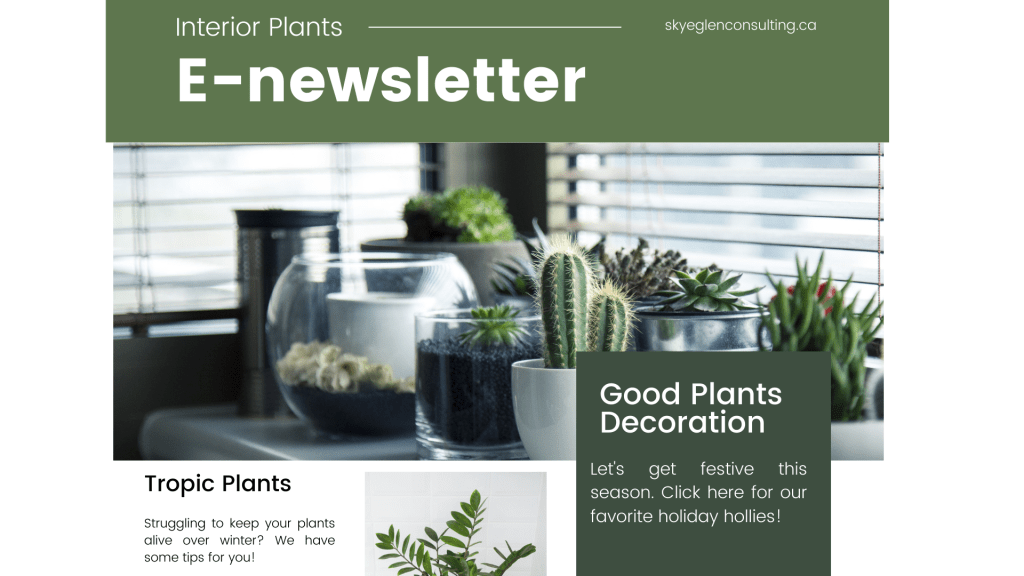
3. Segment Your Email List
Not every customer wants every one of your emails. A customer having products in their cart could use a reminder email (possibly with a little incentive). A customer that previously bought women’s clothing may not want the email about your new men’s line. Understanding your customers’ journeys and organizing them will allow your to personalize your customer experience with your brand.
Examples of useful segments (depending on your brand):
- Men and Women
- Life Stages (single, married, divorced, with kids)
- Segments based on previous purchases (clothing shoppers vs home goods)
- Previous holiday shoppers
Other aspects to consider for your email automation:
- Birthdays (day, week, or month)
- Abandoned Cart
- Anniversaries
- Observed holiday shoppers
4. Write Concise + Compelling Subject Lines
“Sale Sale Sale!” might grab some customers while others roll their eyes and hit delete. Think about your ideal customers and what they would want to read, what would make them want to read more.
Standard Subject Line: We have a sale for you!
Next Level: It’s 50% off and Matches Your Eyes!
Standard Subject Line: Your Feedback Is Important to Us.
Next Level: Get Ready to Scream at Us!

Still unsure?
5. Try A/B Testing.
A/B testing is a way of testing one aspect of your sales pitch, while keeping everything else the same. This allows you to compare the two and take note of any noticeable differences to adjust for better success in the next campaign.
How do you do this?
Send half of your next email or newsletter with one subject line, and the other half with another. Compare the 24 hour open AND click through rates, and use that to help guide your next campaigns.
A/B testing is great for subject lines. Other things to test might be
- Days of the week
- Times of the day
- Subjects (sales specific vs educational vs trendy social)
- Off TYPES (% off vs. free shipping vs. additional item/gift)
- Styles of Calls-to-Action

 Skye Glen Consulting Inc.